Classic Italian Pasta Dishes You Can Make Tonight
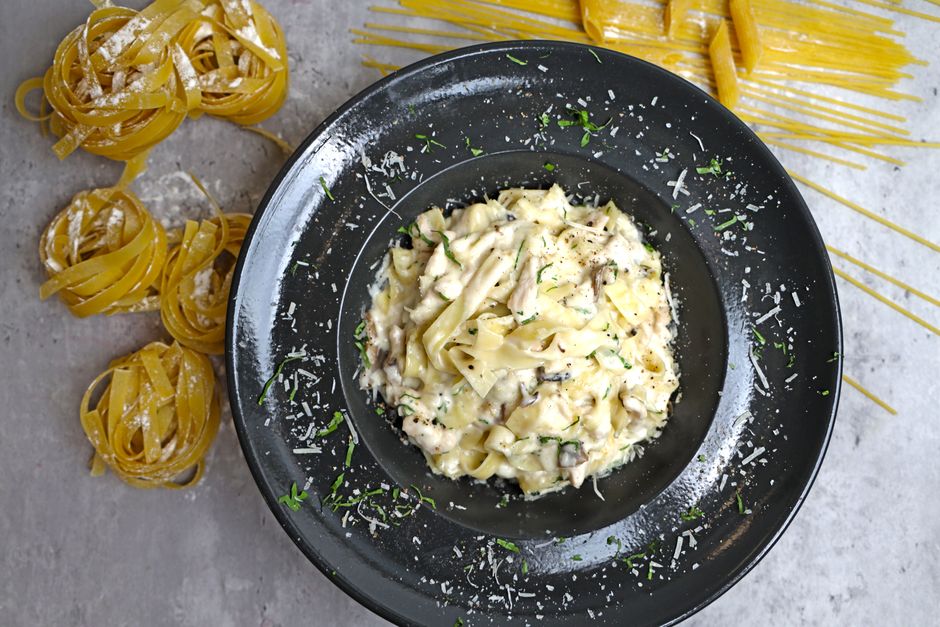
Italian pasta dishes such as carbonara, cacio e pepe, and amatriciana are often associated with restaurant kitchens, yet they can be prepared at home with a focused approach and accessible ingredients. The key lies in understanding the role of each component—pasta, cheese, cured pork, eggs, and pepper—and how they interact during cooking. This article outlines a process-oriented method for each dish, emphasizing timing, temperature control, and plating considerations. The goal is to provide a framework that supports consistent results without relying on professional equipment or hard-to-find items.
Each recipe below is structured to highlight the sequence of steps, from boiling water to serving. While the techniques are straightforward, they do require attention to detail, particularly regarding the emulsification of sauces and the resting of pasta before plating. By following the outlined processes, home cooks can explore these classic preparations and adapt them to their own kitchen environment. The information is intended for general educational purposes and does not replace personal judgment or professional guidance.
Before beginning, consider that variations in ingredient moisture, pan material, and stove calibration can influence outcomes. Therefore, the timings provided are approximate and should be adjusted based on observation. The sections that follow cover carbonara, cacio e pepe, and amatriciana, each with ingredient notes, step-by-step instructions, and suggestions for presenting the finished dish. A final section addresses common questions and adjustments.
Carbonara: Emulsification and Timing
Carbonara is a Roman pasta dish that combines eggs, cheese, cured pork, and black pepper. The sauce is not cooked over direct heat; instead, it relies on residual heat from the pasta and pan to form a creamy emulsion. This process requires that the egg mixture be brought to room temperature and that the pasta be drained while retaining some cooking water. The pork, typically guanciale or pancetta, is rendered until crisp, providing fat that helps stabilize the sauce. The cheese, usually Pecorino Romano, adds salinity and depth. The pepper should be freshly cracked and toasted briefly to release its oils.
To begin, bring a large pot of water to a boil and season it moderately with salt. While the water heats, cut the cured pork into small strips or cubes and place them in a cold skillet. Cook over medium heat until the fat renders and the pieces become golden, then remove the pan from the heat. In a bowl, whisk together eggs, grated cheese, and a generous amount of black pepper. When the pasta is al dente, reserve about a cup of cooking water, then drain the pasta and add it to the skillet with the pork. Toss briefly to coat, then pour the egg mixture over the pasta, stirring quickly and adding splashes of the reserved water until a smooth sauce forms. The pan should be off the heat during this step to prevent scrambling.
Timing is critical: the entire process from draining the pasta to serving should take no more than two to three minutes. If the sauce appears too thick, additional pasta water can be added; if too thin, a brief return to low heat while stirring can help. Plating notes: serve immediately in warmed bowls, topping with additional cheese and pepper. The sauce should coat each strand without pooling at the bottom. For variation, some cooks add a splash of white wine to the pork while rendering, though this is not traditional.
Cacio e Pepe: The Art of Pepper and Cheese
Cacio e Pepe translates to “cheese and pepper” and is one of the simplest yet most technique-sensitive pasta dishes. It uses only three main ingredients: pasta, Pecorino Romano, and black pepper. The challenge lies in creating a creamy sauce without added fats or liquids other than pasta water. The starch released during cooking binds with the cheese, while the pepper provides a sharp, aromatic counterpoint. The quality of the cheese matters: it should be finely grated and at room temperature to melt evenly.
Start by toasting whole black peppercorns in a dry skillet until fragrant, then crush them coarsely. Bring salted water to a boil and cook the pasta until al dente. While the pasta cooks, put the grated cheese in a bowl and add a small amount of cool pasta water to create a paste. In a separate pan, toast the crushed pepper in a little olive oil or butter, then add a ladle of pasta water and bring to a simmer. When the pasta is ready, reserve additional water, drain the pasta, and transfer it to the pan with the pepper mixture. Toss over low heat for a few seconds, then remove from heat and add the cheese paste, stirring vigorously and adding pasta water as needed to achieve a smooth, flowing sauce.
The critical factor is temperature control: if the pan is too hot, the cheese will clump; if too cool, the sauce will not emulsify. The entire tossing process should take about one minute. Plating notes: serve in warm bowls with an extra dusting of cheese and a crack of pepper. The sauce should be glossy and coat the pasta evenly. A common adjustment is to use a blend of Pecorino and Parmigiano for a milder flavor, though this deviates from the traditional recipe.
Amatriciana: Balancing Sweet and Savory
Amatriciana originates from the town of Amatrice and typically includes guanciale, tomatoes, and Pecorino Romano. Unlike carbonara, the sauce is cooked briefly with tomatoes, resulting in a rich, savory topping. The dish relies on the quality of the cured pork and the tomatoes; San Marzano varieties are often preferred for their balanced acidity. The process involves rendering the pork, adding tomatoes, and simmering until the flavors meld. The pasta, often bucatini or spaghetti, is then tossed with the sauce and finished with cheese.
Begin by rendering diced guanciale in a skillet over medium heat until crisp. Add a pinch of red pepper flakes if desired, then pour in canned tomatoes, crushing them by hand. Simmer the sauce for about 15 minutes, stirring occasionally. Meanwhile, cook the pasta in salted water until al dente. Reserve some pasta water, drain the pasta, and add it to the sauce, tossing to combine. If the sauce is too thick, add pasta water. Remove from heat and stir in grated Pecorino Romano. The cheese should melt into the sauce, creating a cohesive coating.
Timing: the sauce benefits from a gentle simmer, but prolonged cooking can dull the tomato flavor. The pasta cooking time should align with the sauce so that both are ready simultaneously. Plating notes: serve in shallow bowls, topping with additional cheese and a drizzle of olive oil. The sauce should cling to the pasta without being watery. Variations include adding a splash of white wine to the pork or using pancetta instead of guanciale, though the latter lacks the same intensity.
Ingredient Sourcing and Preparation Notes
Access to authentic ingredients can vary, but many supermarkets in the United States carry suitable alternatives. Guanciale, while traditional, can be substituted with pancetta or thick-cut bacon, though the fat content and flavor differ. Pecorino Romano is widely available; if not, Parmigiano Reggiano can be used, but it will alter the salinity and sharpness. For the pasta, bronze-die extruded varieties have a rougher surface that helps sauces adhere. Freshly ground pepper is essential for cacio e pepe, and whole peppercorns should be toasted just before use.
Preparation techniques also matter. Grating cheese finely allows it to melt smoothly; a microplane or fine grater works well. Eggs for carbonara should be fresh and at room temperature. Pasta water should be adequately salted, but not overly so, as the cheese adds saltiness. A large skillet or sauté pan is preferable for tossing, as it provides enough surface area for even coating. Keeping the heat low during the final mixing steps is crucial to prevent curdling or clumping.
For those new to these dishes, practicing the emulsification process with small batches can build confidence. The recipes are forgiving if adjustments are made promptly. For example, if the carbonara sauce becomes too thick, a splash of pasta water can loosen it; if it scrambles, the pan was too hot. Similarly, cacio e pepe can be rescued by adding a bit of pasta water and stirring off heat. Amatriciana is more robust, but the sauce should not be overcooked.
Plating and Serving Suggestions
Plating pasta is not just about aesthetics; it also affects how the dish is experienced. Warm bowls help maintain temperature, and a twirl of pasta in the center creates a neat presentation. For carbonara, a final dusting of cheese and cracked pepper adds visual appeal. Cacio e pepe benefits from a glossy finish, so avoid overmixing after plating. Amatriciana can be topped with a sprinkle of cheese and a basil leaf for color, though basil is not traditional. Portion sizes: a typical serving is about 100 grams of dried pasta per person, but this can be adjusted based on appetite.
Serving immediately is recommended, as these dishes are best when hot and the sauce is fluid. If holding is necessary, keep the pasta warm in a covered pan over low heat, but note that the texture may change. Accompanying items: a simple green salad or crusty bread can complement the meal, but the focus should remain on the pasta. Wine pairings might include a light red for amatriciana or a crisp white for cacio e pepe, depending on preference.
Leftovers, if any, should be refrigerated and reheated gently with a splash of water. However, the quality may not match that of freshly made. For those interested in exploring further, Harvest Table offers a range of kitchen tools and ingredients that can support these preparations, though the recipes stand on their own.
Common Adjustments and Troubleshooting
Even with careful attention, issues can arise. Carbonara may turn out scrambled if the pan is too hot; to avoid this, ensure the pan is off the heat when adding the egg mixture. If scrambling occurs, the dish can still be eaten, but the texture will be different. Cacio e pepe might clump if the cheese is too cold or the pan too hot; using room-temperature cheese and off-heat mixing helps. Amatriciana can become too salty if the pork is salty and the cheese is added liberally; tasting before adding cheese is advised.
Another common challenge is pasta doneness. Al dente means the pasta still has a slight bite; overcooking leads to mushy results. Set a timer for the lower end of the package instructions and test a piece before draining. The sauce should be ready when the pasta is done, so timing the steps is essential. If the sauce is not ready, the pasta can be drained and set aside, but it may stick together; a little olive oil can prevent this, though it may affect sauce adhesion.
Adjustments for dietary restrictions: those avoiding pork can use mushrooms or zucchini for a vegetarian version, though the flavor profile changes. Gluten-free pasta can be used, but cooking times and starch release differ, so the sauce consistency may vary. For a lower-fat option, less cheese can be used, but the emulsification may be less stable. These modifications are provided for informational purposes; individual results will depend on specific ingredients and techniques.
Finally, practice and observation are the best guides. Each time these dishes are made, variables such as humidity, pan material, and stove heat may influence the outcome. Keeping notes on what worked and what didn’t can help refine the process over time. The recipes are meant to be adaptable, and personal preference should guide final adjustments.