Seasoning with Salt: Timing and Ratios That Work

Salt is a fundamental ingredient in cooking, influencing flavor, texture, and overall balance. Knowing when to add salt and in what quantity can significantly affect the final outcome of a dish. This article explores practical guidelines for timing and ratios, helping home cooks make informed decisions in the kitchen. The focus is on general principles rather than rigid rules, as variables such as ingredients, cooking methods, and personal preferences always come into play.
Understanding salt’s role goes beyond mere taste enhancement. It can suppress bitterness, amplify sweetness, and improve mouthfeel. However, the effects depend on context: the type of salt, the dish’s water content, and the stage of cooking all interact. By examining common scenarios, from soups to meats, we can develop a flexible approach to seasoning that adapts to everyday meals.
The Science of Salt and Its Culinary Functions
Salt, or sodium chloride, is a compound that interacts with food at a molecular level. When dissolved, it dissociates into sodium and chloride ions, which can penetrate cell walls and alter protein structures. This process can affect texture, such as tenderizing meat or firming up vegetables. Additionally, salt enhances flavor by reducing the perception of bitterness and increasing the perception of sweetness, a phenomenon known as flavor modulation. These effects are not absolute; they depend on concentration and the presence of other ingredients.
In cooking, salt serves multiple purposes: it can act as a preservative, a leavening agent in baking, and a flavor enhancer. The timing of salt addition can influence these functions. For example, salting meat ahead of cooking allows time for the salt to diffuse into the tissue, potentially improving juiciness and flavor distribution. Conversely, salting at the end can provide an immediate surface seasoning. Understanding these mechanisms helps in making deliberate choices.
Different types of salt—such as table salt, sea salt, and kosher salt—have varying crystal sizes and densities. This means that a teaspoon of one type may contain more or less sodium than a teaspoon of another. Therefore, when following recipes, it’s important to consider the salt type specified. If substituting, adjustments may be needed. The overall goal is to achieve a balanced taste that suits the dish.
Timing Salt Addition: Before, During, or After Cooking
The timing of salt addition can be categorized into three main phases: before cooking, during cooking, and after cooking. Each phase offers distinct advantages and considerations. Salting before cooking, often called pre-salting, is common for meats and some vegetables. It allows the salt to penetrate and season from within. For instance, salting a roast several hours or overnight can lead to more even seasoning and improved texture. However, this method requires planning and may not suit all ingredients, as it can draw out moisture from certain foods.
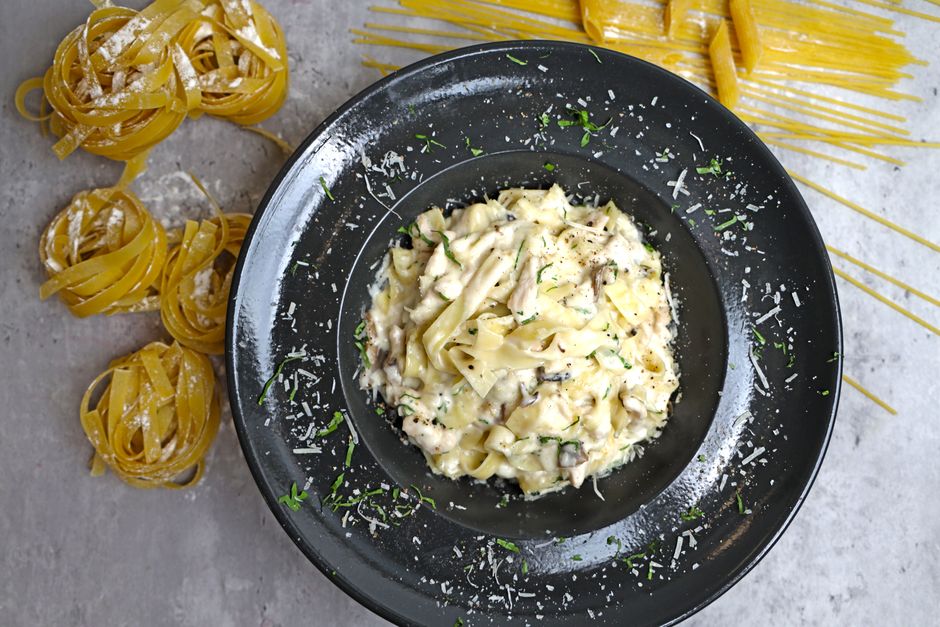
Salting during cooking is a versatile approach. It allows for gradual adjustment and integration with other flavors. For soups, stews, and sauces, adding salt in stages can help build layers of flavor without overshooting. Pasta water is a classic example: salting the water before adding pasta seasons the pasta itself as it cooks. The key is to taste as you go, recognizing that flavors concentrate as liquids reduce. This phase often requires active monitoring.
Salting after cooking, or finishing salt, is used to add a final touch of seasoning. This can be done with flaky sea salt or other finishing salts that provide a crunchy texture and burst of flavor. It’s particularly useful for dishes where the salt would lose its effect if added earlier, such as grilled meats or salads. However, relying solely on post-salting may result in uneven seasoning, as the salt sits on the surface rather than integrating.
In practice, a combination of these timings may be employed. For example, a stew might be salted during cooking to build the base flavor, then adjusted at the end. The choice depends on the dish, desired outcome, and cooking method. Being mindful of the total salt added across all phases is important to avoid over-seasoning.
Salt Ratios: Guidelines for Common Dishes
Determining how much salt to use can be challenging, as it varies widely based on the recipe, ingredients, and personal taste. However, some general ratios can serve as starting points. For water used in boiling pasta or vegetables, a common guideline is about 1 to 2 tablespoons of salt per gallon of water. This may seem like a lot, but only a fraction is absorbed by the food. For soups and stocks, a typical starting point is about 1 teaspoon of salt per quart of liquid, adjusting after tasting. These ratios are not absolute; they provide a framework that can be refined with experience.
For meats, the ratio often depends on the cooking method. When dry-brining, a common approach is to use about 0.5 to 1 teaspoon of kosher salt per pound of meat, applied evenly and allowed to rest. For wet brines, the ratio is higher, often around 1 cup of salt per gallon of water. These guidelines help achieve a seasoned product without overwhelming it. It’s important to note that saltiness can be influenced by other salty ingredients, such as soy sauce or cheese, so adjustments may be needed.
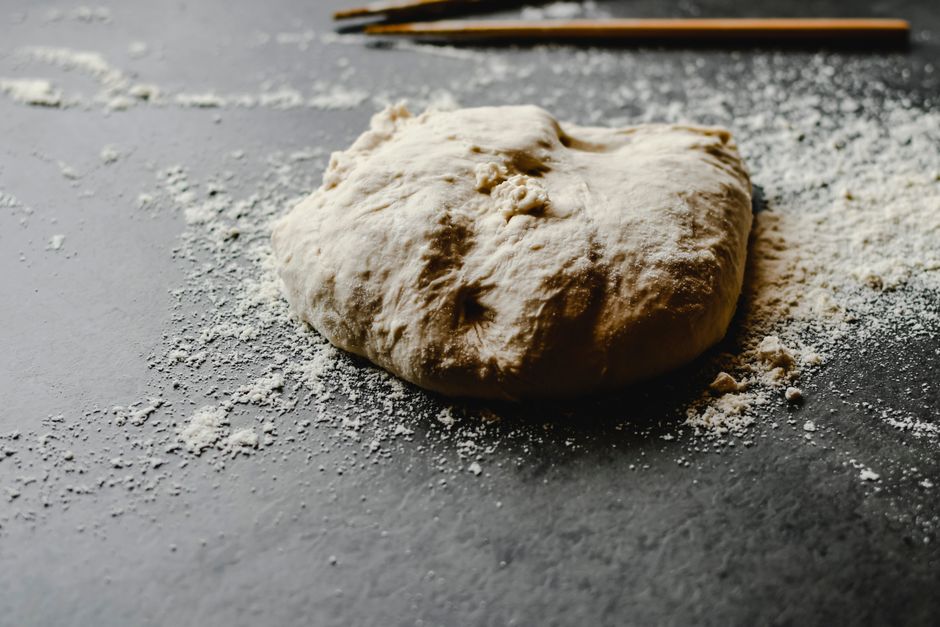
In baking, salt ratios are more precise because salt affects gluten development and yeast activity. Most bread recipes call for about 1.5 to 2% salt by weight relative to flour. For cakes and cookies, the amount is usually smaller, around 0.5 to 1% of the flour weight. Using a scale for accuracy is often recommended. However, even in baking, small variations may be tolerable depending on the recipe.
When seasoning dishes like salads or raw preparations, salt is typically added to taste. A pinch of salt can be added gradually, tasting after each addition. This approach allows for customization but requires attention to avoid over-salting. For consistent results, some cooks prefer to measure salt even for these applications, especially when scaling recipes.
Practical Tips for Balanced Seasoning
Achieving balanced seasoning is a skill that develops with practice. One helpful tip is to taste the dish at multiple stages, especially before serving. This allows for adjustments based on the current flavor profile. Another tip is to consider the salt content of other ingredients; for example, canned goods, condiments, and cheeses can contribute significant sodium. Reducing added salt when using these ingredients can help maintain balance.
Using salt strategically can also enhance other flavors. A small amount of salt can make sweet dishes taste sweeter or reduce the perception of bitterness in vegetables like broccoli or kale. However, the effect is dose-dependent; too much salt can overpower. Therefore, adding in small increments is generally advisable.
If a dish becomes too salty, there are limited options for correction. Diluting with unsalted ingredients, such as water, cream, or additional vegetables, can help. Alternatively, serving the dish with an unsalted accompaniment, like plain rice or bread, can offset the saltiness. Prevention through gradual addition is often the best strategy.
Finally, personal preference plays a significant role. Some people are more sensitive to salt than others. When cooking for others, it may be helpful to season modestly and allow individuals to add more at the table. This approach respects diverse tastes and dietary needs.
Adapting Salt Usage to Different Cooking Methods
Different cooking methods influence how salt should be applied. For example, roasting or grilling often benefits from pre-salting to allow the salt to penetrate, while frying may require salting immediately after cooking to avoid moisture loss. Steaming and poaching are gentle methods where salt can be added to the cooking liquid or sprinkled afterward. Each method has its own considerations, and the timing and amount may vary.
In slow cooking, such as braising, salt can be added at the beginning to allow flavors to meld over time. However, because liquids evaporate slowly, the concentration of salt may not change dramatically, so initial amounts should be conservative. In contrast, reducing sauces concentrate salt, so it’s better to salt lightly during reduction and adjust at the end.
For raw preparations, like ceviche or tartare, salt is often added shortly before serving to avoid curing the fish too much. The salt can draw out moisture and alter texture, so timing is critical. Similarly, in salads, salting early can wilt greens; thus, dressing and salt are typically added just before serving.
Understanding these nuances allows cooks to make informed decisions. While guidelines exist, flexibility and observation are key. With experience, one can develop an intuition for how much salt and when to add it.
Seasoning with salt is a nuanced aspect of cooking that balances science and art. By considering timing, ratios, and context, cooks can enhance dishes without overpowering them. The guidelines presented here are starting points; personal taste and specific recipes will guide adjustments. As with any skill, practice and mindful tasting lead to better results. For those looking to explore further, resources like Harvest Table offer additional insights into culinary techniques and ingredient usage.